There’s nothing wrong with modifying a lift.
I do it with clients all the time.
But I want to be able to answer three questions:
Why are we changing it?
What are we trying to build?
What tells us you’re ready for more?
Liz is a good example.
When we first spoke, she’d been dealing with back pain for about four months.
It had progressed into numbness and tingling down her right leg.
She could barely bend forward.
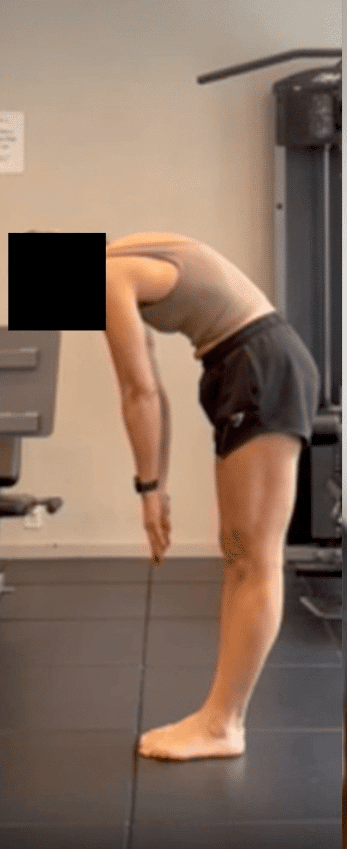
And this was where her head was at:
“I don't know how to get rid of the pain right now... I'm afraid that any move that I make will make it worse.”
That last part matters.
Because Liz didn't want to stop training forever.
She'd spent four years building herself up in the gym.
When I asked what she actually wanted, she put it pretty simply:
“I need to be able to go to the gym and lift heavy.”
That was the destination.
A few weeks into Rebuild™, she said something that pretty much explains the cycle she'd been stuck in:
“All I thought was I need the pain to go away so I can go back to doing what I'm doing.”
Stop.
Feel better.
Go back.
End up in the same place.
The problem wasn't that Liz modified her training.
The modification needed somewhere to go.
So inside Rebuild™, we kept working toward the thing she actually wanted.
Not just less pain.
Getting back to training.
And eventually, this was the message I got:

“No pain, no numbness and been sleeping in my bed for a few weeks now”
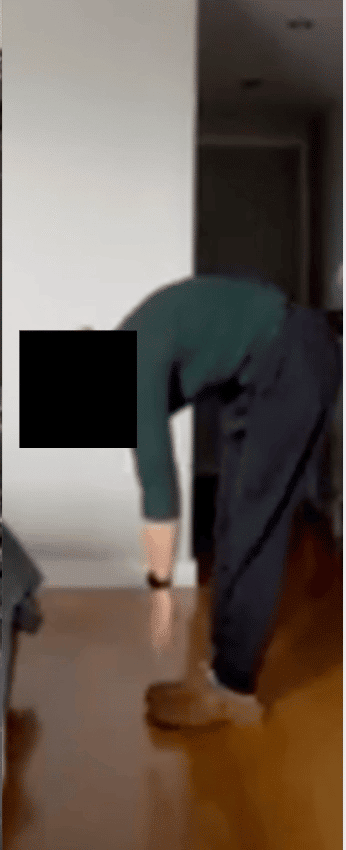
That's the difference.
A modification is a tool.
It can help.
But it should be preparing you for something.
If you've been modifying the same lifts for months, ask yourself:
What is this actually building me toward?
If you don't have a good answer, book a call.
Tell me what you're dealing with and what you want to get back to.
I'll tell you if I think I can help.
Gabe